Bridal, Bridesmaid & Wedding Guest Makeup: What's the Difference?
Bridal, bridesmaid, and wedding-guest makeup aren't the same look worn at different intensities — each one is solving a different problem. Bridal makeup has to survive a full day under changing light and photograph well in both natural and flash photos; bridesmaid makeup has to look cohesive across a group of different skin tones and complement the bride rather than compete with her; guest makeup mostly just has to be appropriate for the time of day and not upstage either.
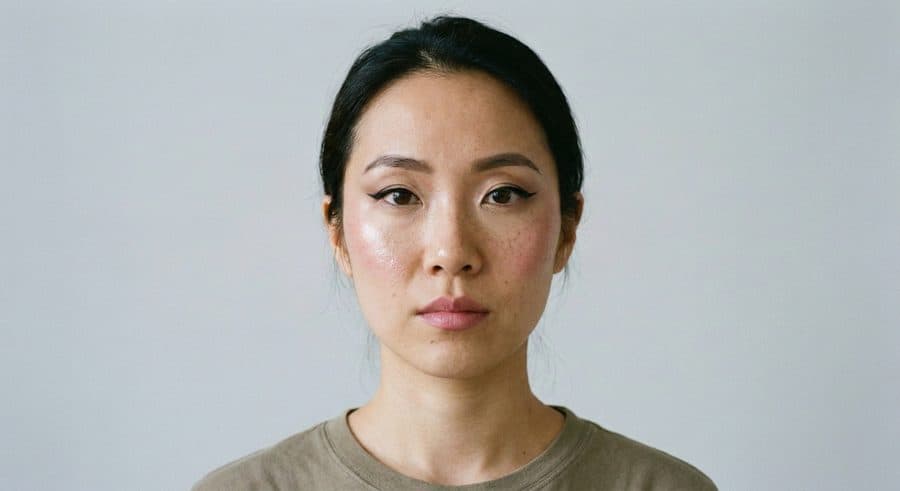
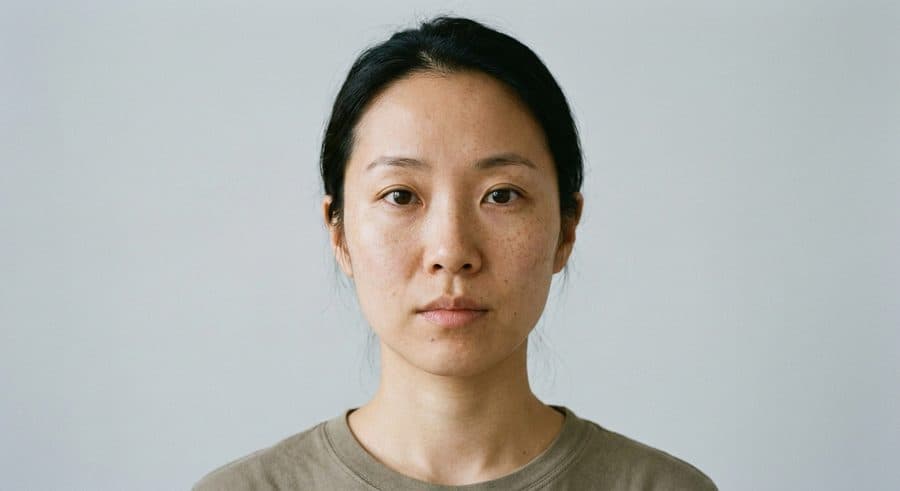
Dewy Classic Wing bridal makeup rendered on a bare face — synthetic test photo, not a real person
Bridal makeup: built to survive the day, not just the aisle
The defining constraint on bridal makeup is longevity — it has to look fresh from the first look through the last dance, across tears, heat, and hours of photos, which is why bridal looks lean on setting spray, waterproof formulas around the eyes, and long-wear lip color rather than products chosen purely for how they photograph on their own. Dewy Classic Wing in the library is built around exactly this brief: a soft, classic winged-liner base polished enough for photos without the heavier styling of a stage look.
It also has to hold up under both natural light during the ceremony and flash photography at the reception — a look that reads as soft and glowing in daylight can go flat or overly shiny under flash, which is part of why bridal makeup artists tend to favor a soft matte-to-satin finish over anything with heavy shimmer across the whole face.
Bridesmaid and guest makeup: complement, don't compete
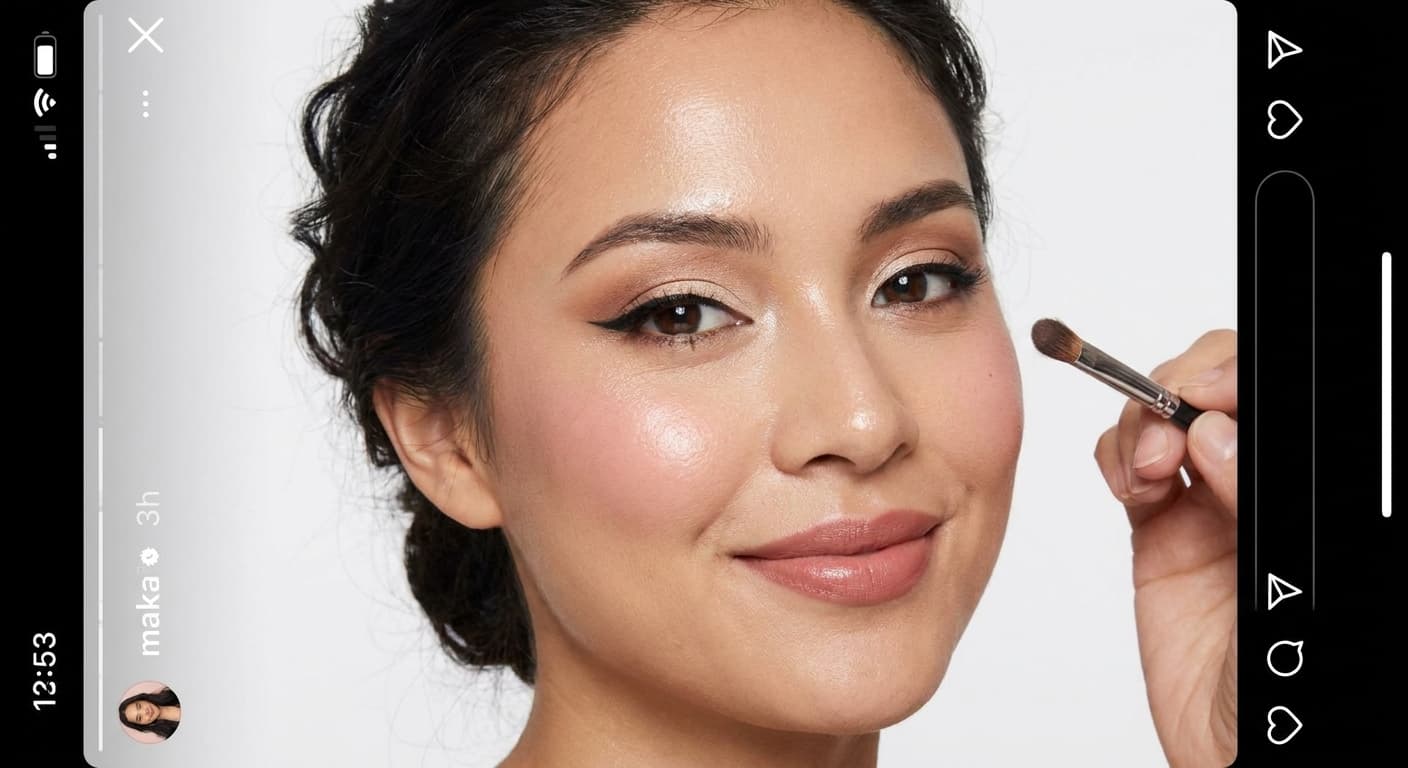
Bridesmaid makeup usually needs to work across several different people at once — the goal is a cohesive, photograph-well palette that reads as intentional as a group rather than identical, which is why bridesmaid makeup tends to lean on a shared color story (a specific blush tone, a specific lip family) rather than one identical face on everyone. It should also sit a notch below the bride's look in intensity, out of the same logic that keeps a best man's tie from outshining the groom's.
Guest makeup has the least constraint of the three — mainly, match the formality and time of day of the event, and avoid anything so bold it pulls attention during photos with the wedding party. A soft, warm daytime look or something closer to date-night intensity for an evening reception both work; Warm Amber Glow and Dewy Sweet Rose Glow in the library both sit in that everyday-to-elevated range that reads as appropriate guest makeup.
How to preview any of these before the actual day
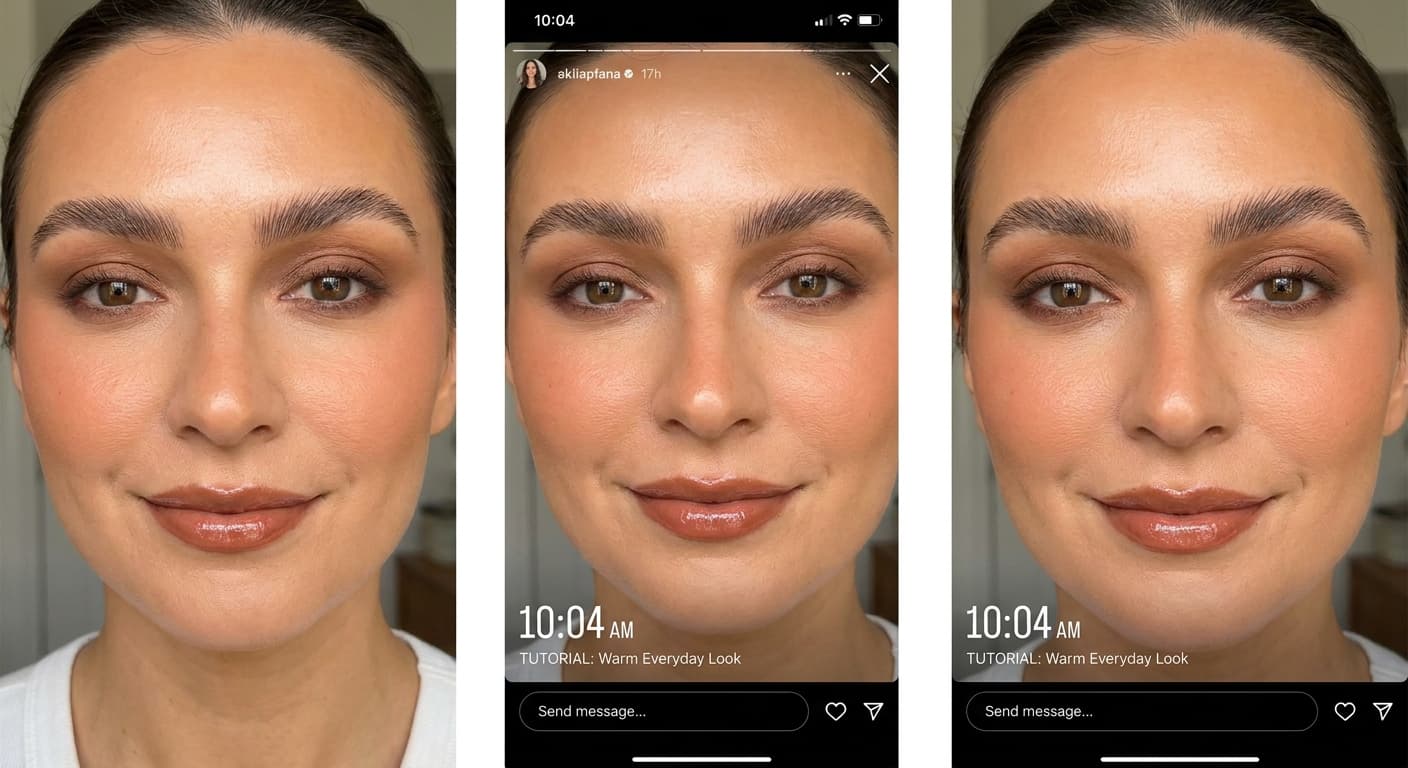
Whichever role you're playing, it's worth seeing the actual look on your own face well before the wedding — not the week of. Pick a look from the library, or upload a reference photo from a makeup artist's portfolio or a Pinterest board, and see it rendered on your own photo so you know it works before you're in a chair with a trial appointment on the clock.
Every result comes with a step-by-step tutorial and the product categories used. First three tries are free, no signup required.
Looks mentioned in this article
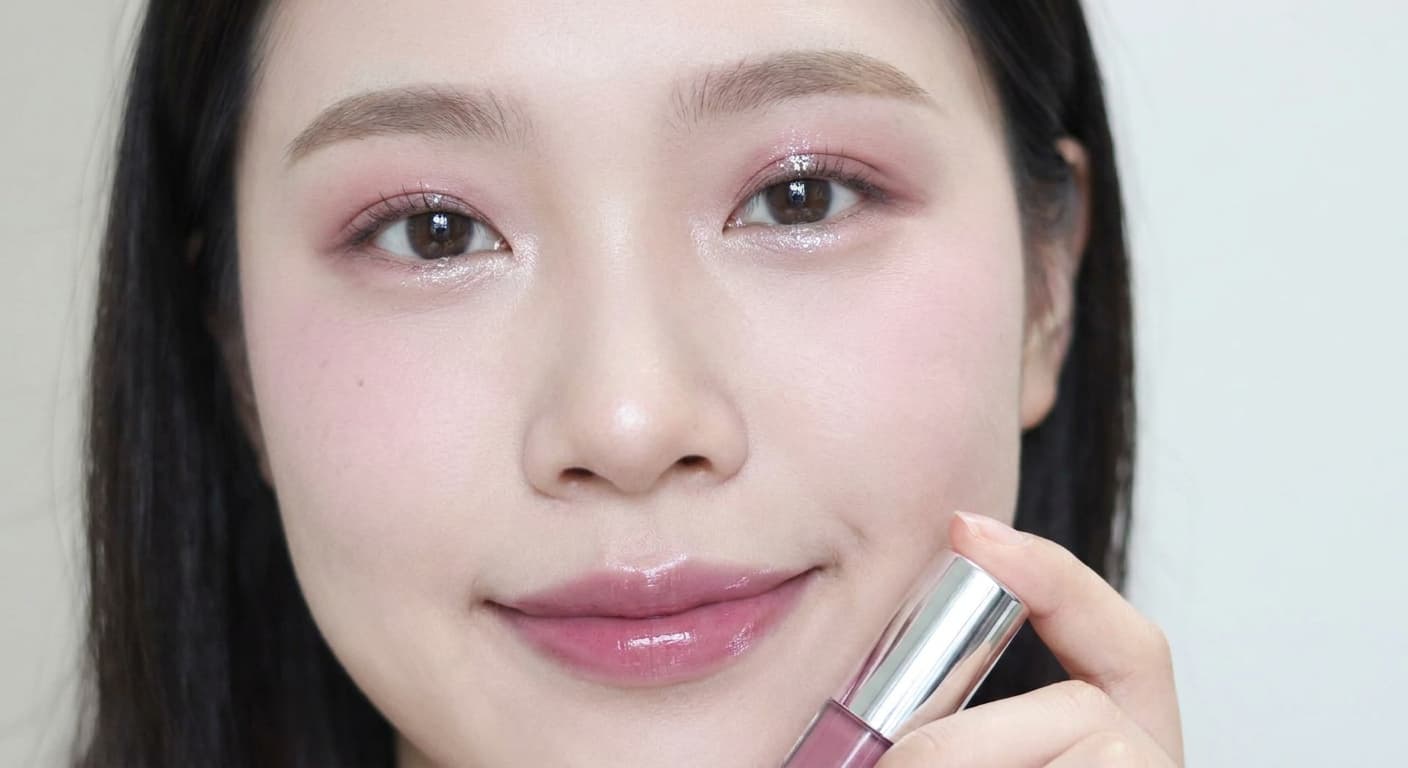
See it on your own photo — free, no signup required.
Try AI Makeup On Your PhotoFAQ
What's the main difference between bridal and bridesmaid makeup?
Bridal makeup is built around surviving a full day and photographing consistently across natural light and flash; bridesmaid makeup is built around looking cohesive across a group and sitting a notch below the bride's look in intensity.
Should wedding guest makeup match the wedding's color scheme?
It doesn't need to — the main considerations are matching the event's formality and time of day, and staying subtle enough not to pull attention during group photos, not coordinating with the decor.
Can shadeupai preview a makeup artist's portfolio look before my trial?
Yes — upload a screenshot or photo of any bridal, bridesmaid, or guest look you found (a portfolio photo, a Pinterest save, a screenshot), and it gets analyzed and rendered onto your own photo the same way any other reference image would be.