Color Correcting, Explained: Which Corrector Shade Actually Cancels What
Color correcting works by opposite-color cancellation, not by shade-matching — a corrector shade is chosen specifically because it sits opposite the discoloration on the color wheel, then covered with a skin-tone-matched concealer or foundation on top. That's the reverse logic of how regular concealer works, and it's why applying a corrector like concealer usually just adds a visible tint instead of canceling anything.
The color-wheel logic behind every corrector shade
Orange or peach correctors cancel blue-purple tones — under-eye dark circles usually read blue-purple from blood vessels visible through thin skin, which is why orange or peach, sitting opposite blue-purple on the wheel, is the standard dark-circle corrector rather than just a lighter concealer shade alone. Green correctors cancel red — active redness, blemishes, and rosacea-prone areas read red, and green sits opposite it, neutralizing the color before a normal-toned concealer goes on top.
Purple or lavender correctors cancel yellow — sallow, dull, or yellow-toned discoloration gets neutralized by purple, its direct opposite on the wheel. Yellow correctors work on purple-based discoloration like some bruising, though this pairing is less universally reached for than orange, green, or purple, since it depends heavily on the exact tone of the discoloration.
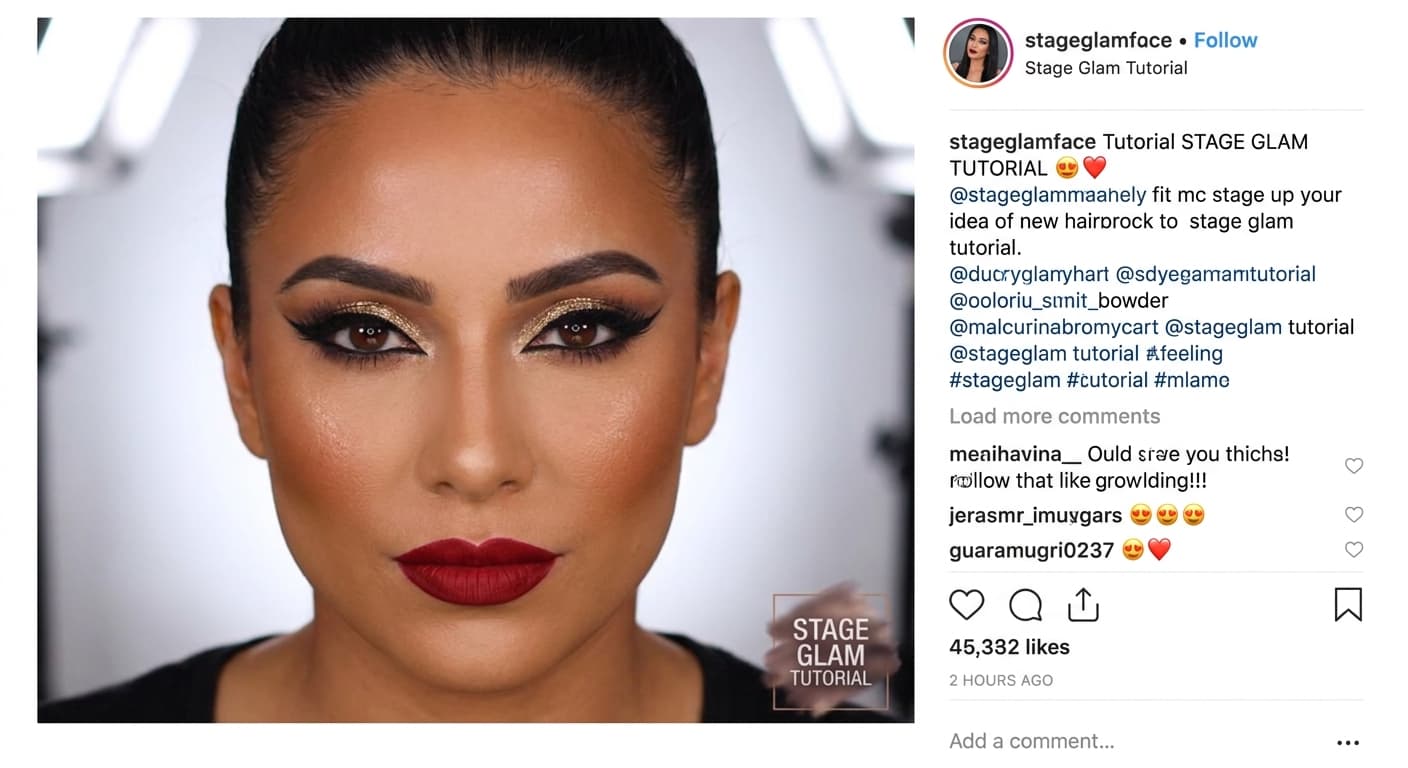
Regal, icy stage queen
Best for: stage performance · gala · Advanced
Try This Look →Why applying it like concealer doesn't work
A thick layer of orange corrector applied the way concealer goes on just shows through as an orange tint, since the whole method depends on a thin layer that cancels the underlying color rather than a heavier layer meant to be the final visible color. The correct order is a thin layer of corrector pressed onto just the discolored area first — not swiped, which can drag the corrector into surrounding good skin — followed by a normal skin-tone-matched concealer or foundation over the top to actually finish and blend.
When it's worth adding this step, and when it isn't
Deep or persistent discoloration — significant dark circles, active redness, hyperpigmentation — usually needs color correcting to actually neutralize the tone before concealer can cover it convincingly. Concealer alone, no matter how full-coverage, tends to just make the discoloration a slightly lighter version of the same color rather than canceling it outright.
Mild or temporary redness and barely-visible under-eye shadows usually don't need it — a standard concealer a shade or two lighter than foundation is often enough on its own, and adding an unnecessary corrector step just adds product and time to a problem concealer alone would have handled.
See how much correction a look actually needs on your own face
How much visible discoloration you actually have, and its exact undertone, is easier to judge from your own photo than from a general rule. Color correcting sits underneath a finished look rather than being part of its visible color, so it isn't something the AI-rendered result shows directly — but trying the intended base first, like Golden Opera Red Lip's heavier, more structured coverage, gives a real sense of how much base work a look calls for before deciding how much prep, like color correcting, is worth doing underneath it.
Every result comes with a step-by-step tutorial and the product categories used. First three tries are free, no signup required.
Looks mentioned in this article
See it on your own photo — free, no signup required.
Try AI Makeup On Your PhotoFAQ
What color corrector cancels dark circles?
Orange or peach, since most under-eye dark circles read blue-purple from blood vessels visible through thin skin, and orange or peach sits opposite blue-purple on the color wheel to neutralize it.
What does green color corrector do?
Cancels redness — green sits opposite red on the color wheel, so a thin layer over active redness or red-toned blemishes neutralizes the color before a normal concealer goes on top.
Do I need color corrector, or is concealer enough?
Concealer alone is usually enough for mild or temporary discoloration. Color correcting earns its place for deeper or more persistent discoloration — significant dark circles, active redness, or hyperpigmentation — where concealer alone tends to just lighten the same color rather than actually canceling it.