Dewy vs. Matte Makeup: Which Finish Actually Suits You
Dewy and matte sit at opposite ends of the same spectrum — dewy finish reflects light for a fresh, luminous look and reads best on skin with minimal texture or oil, while matte finish absorbs light for a smoothed, blurred look and reads best on skin that can handle a flatter finish without looking dry. Neither is objectively better; the more useful question is which one your skin type and the specific look actually call for.
What each finish actually does to skin
Dewy finish is light-reflective by design — it relies on hydrating, often serum- or oil-based formulas that sit on top of skin rather than absorbing into it, which is what creates the glow. That same light reflection also highlights texture, enlarged pores, and oil far more than a matte finish would.
Matte finish absorbs and diffuses light instead of reflecting it, which blurs texture and controls shine — but on genuinely dry skin, that same texture-blurring effect can emphasize flaky patches rather than smoothing them, since there's no light reflection left to soften how they read.

Effortlessly fresh and luminous
Best for: daytime date · brunch · Beginner
Try This Look →Which one your skin type actually calls for
The short version follows the same logic as picking a foundation formula for your skin type: dry skin generally reads better in dewy, oily or combination skin generally reads better in a more matte or semi-matte finish. For skin that falls in between, or changes through the day, satin finish is a real, distinct middle option worth knowing about rather than defaulting to one extreme.
Which one the specific look actually calls for
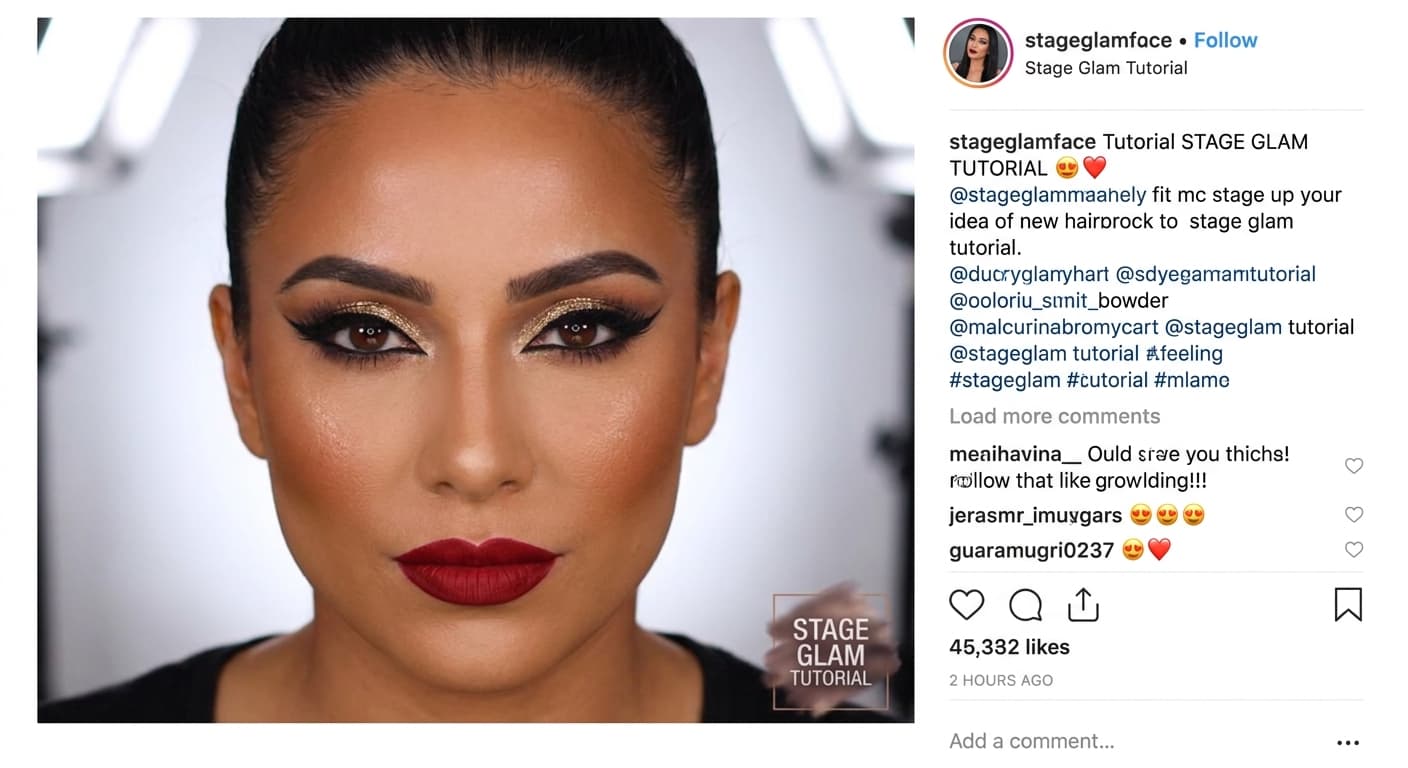
Glass Skin Peach Flush and Milk Tea Dewy Glow are both explicitly built around the dewy, light-reflecting end — the whole effect depends on that reflection, so swapping in a fully matte base changes the result more than swapping a shade would. Golden Opera Red Lip and Sultry Gothic Glam lean toward the more matte, defined end instead, since a dramatic, high-contrast, stage-ready look needs a base that reads as controlled and precise rather than glowing, which would otherwise compete visually with a bold graphic liner or deep contour.
See which finish actually suits your own skin before choosing
How a finish reads depends on your own skin's texture and oil level in a way that's hard to predict from a product description alone. Pick a look from either end of the spectrum and see it rendered on your own photo before deciding. Every result comes with a step-by-step tutorial and the product categories used. First three tries are free, no signup required.
Looks mentioned in this article
See it on your own photo — free, no signup required.
Try AI Makeup On Your PhotoFAQ
Is dewy or matte foundation better for oily skin?
Matte or semi-matte generally works better for oily skin, since a dewy finish's light-reflecting formula tends to look shinier and slide faster once the skin's own oil comes through over the day.
Can dry skin wear matte makeup?
It can, but a fully matte, texture-blurring formula tends to emphasize dry patches rather than smoothing them, since there's no light reflection to soften how the texture reads — a hydrating or satin-finish formula generally works better on dry skin.
What is satin finish makeup?
A middle point between dewy and matte — some light reflection without the full glow of a dewy finish, and some shine control without the fully flat look of matte. It's a reasonable default for skin that doesn't clearly need one extreme or the other.