How to Apply Highlighter: Placement, Formula, and Finish
Highlighter is meant to catch light exactly where it would naturally hit the face — the tops of the cheekbones, the bridge of the nose, the cupid's bow, and the brow bone — not applied all over as a general glow. Getting the placement right matters more than the exact shade, and the formula (cream, liquid, balm, or powder) changes how natural or obvious that glow reads far more than color does.


Sunset Glow & Rosy Cheeks' liquid highlighter glow rendered on a bare face — synthetic test photo, not a real person
Where highlighter actually goes
Highlighter goes on the high points of the face — the ones that would naturally catch light: the upper tops of the cheekbones angled toward the temple, the bridge and tip of the nose, the cupid's bow, the brow bone, and sometimes the inner corners of the eyes. Dewy Classic Wing's product notes put it plainly: "apply with fingertips to the high points of the face for a glass-skin effect" — the placement is doing the work, not the product alone.
Placement can also be a deliberate, asymmetric choice rather than the same four spots every time — Monochrome Duality uses a soft, pale highlighting powder on just the outer temple of one side of the face specifically to balance the composition of an otherwise dark, avant-garde look, which is a reminder that highlighter placement follows the effect a look is going for rather than one fixed rule.
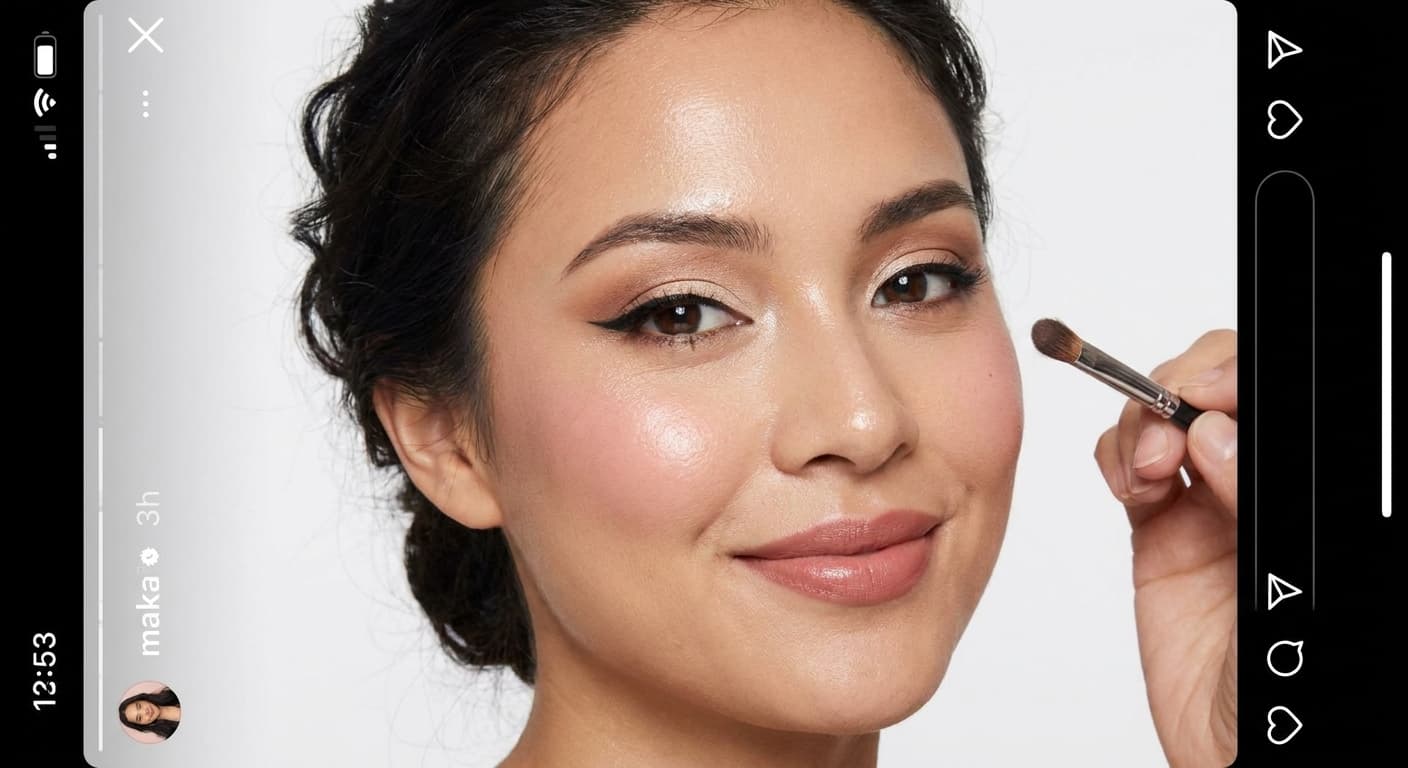
Fresh-faced elegance with a classic wing
Best for: daytime wedding · brunch · Intermediate
Try This Look →Cream, liquid, and balm vs. powder — why formula matters more than shade
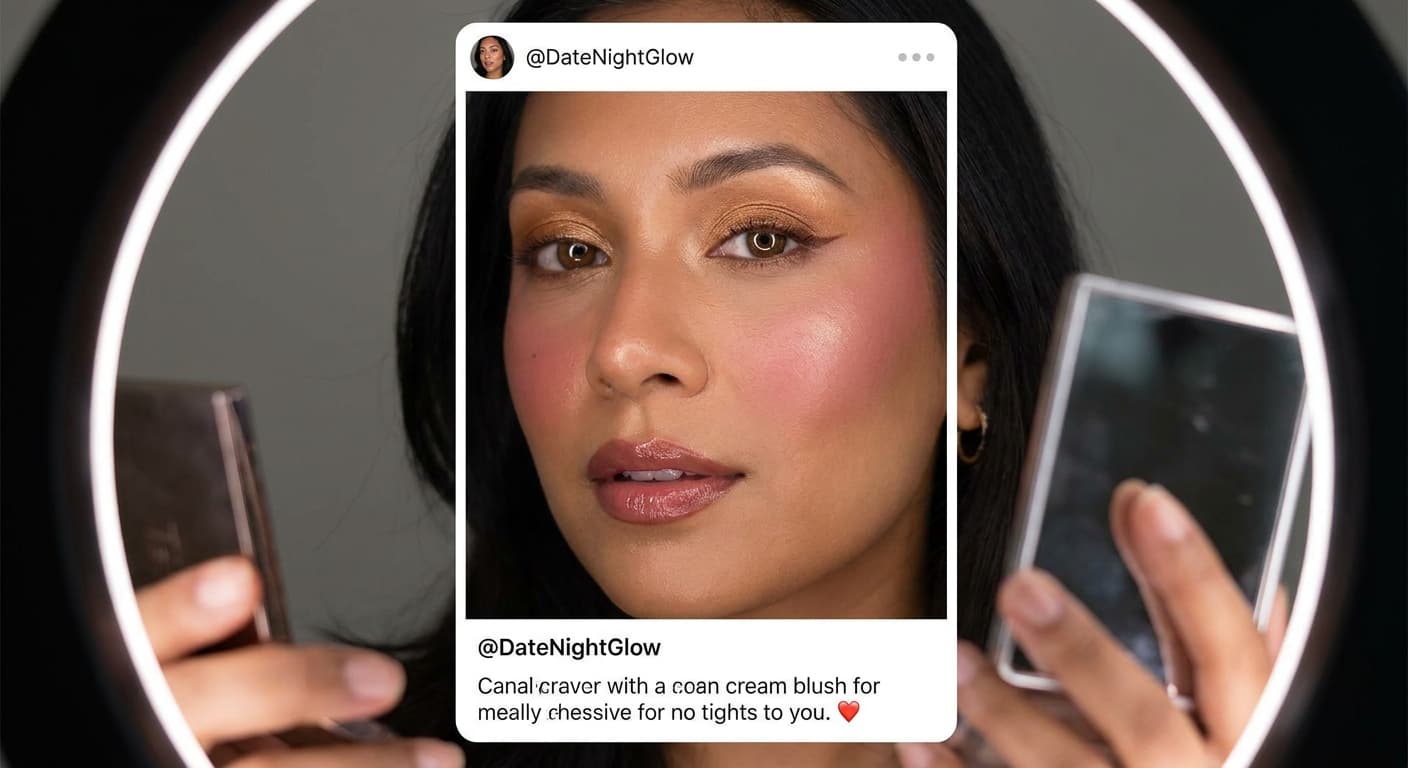
Most looks in the library specifically call for a liquid, cream, or balm highlighter over powder, and several product notes explicitly flag "no chunky glitter" as a requirement — these formulas melt into the skin rather than sitting on top of it, which is why they show up repeatedly for skin-like, glass-skin effects. Sunset Glow & Rosy Cheeks calls for tapping a liquid highlighter on "with fingers for a seamless, skin-like glow," and Glass Skin Peach Flush specifically wants "a non-shimmery, balm-textured highlight to mimic natural skin hydration."
Powder highlighter still has a real place — Sultry Gothic Glam calls for one applied "with a damp brush to achieve a high-shine, beaming finish," which is a more deliberate, obvious glow than the skin-like effect cream and liquid formulas are built for. Neither formula is objectively better; they're built for different intensities of glow.
Picking a shade for your undertone, not just a finish you like
Champagne gold is the most common shade across the library's looks — Sunset Glow & Rosy Cheeks, Radiant Rosewood & Gold, Dewy Classic Wing, and Gilded Bronze Glam all call for a version of it — because it reads warm without tipping distinctly yellow or orange, which lets it work across a wide range of medium and warm undertones.
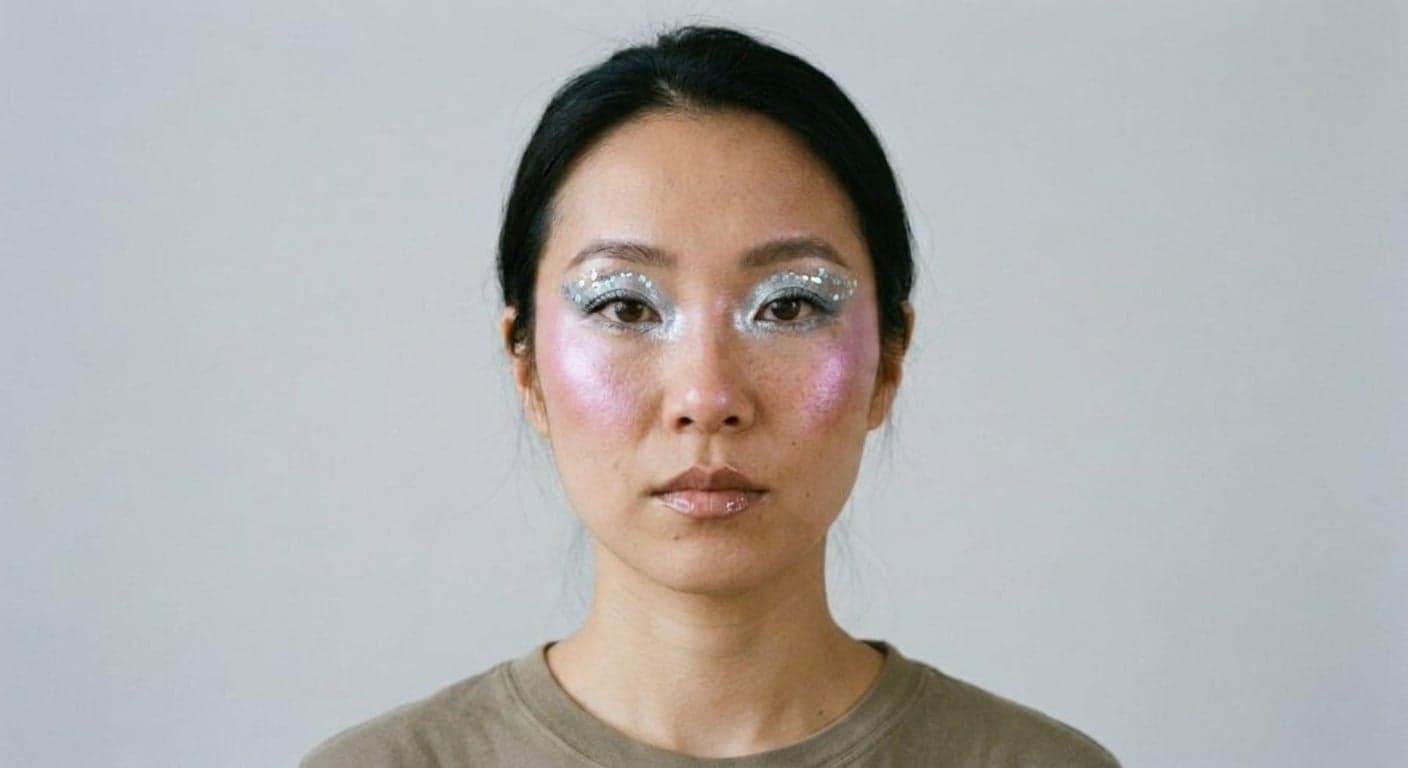
Cooler or paler skin doesn't always suit that same warm gold — Y2K Frosty Icy Glam specifically calls for a "cool pink-to-lavender duochrome" highlighter instead, which is what gives that look its colder, icier finish rather than a warm glow. Monochrome Duality's translucent white, by contrast, is chosen for artistic, compositional reasons specific to that one editorial look, not as a general everyday shade recommendation.
How to see the actual glow on your own skin first
Skin undertone and texture change how any given highlighter shade and formula reads far more than a swatch on the back of a hand can predict. Pick Dewy Classic Wing, Sunset Glow & Rosy Cheeks, or Y2K Frosty Icy Glam from the library depending on which finish you're after, or upload a reference photo of a highlighter look you found elsewhere, and see it rendered on your own photo first.
Every result comes with a step-by-step tutorial and the product categories used. First three tries are free, no signup required.
Looks mentioned in this article

See it on your own photo — free, no signup required.
Try AI Makeup On Your PhotoFAQ
Where does highlighter go on the face?
On the high points where light naturally hits — the tops of the cheekbones, the bridge of the nose, the cupid's bow, the brow bone, and sometimes the inner corners of the eyes. It's placed deliberately at these points rather than applied all over the face.
Is cream or powder highlighter better?
Neither is universally better — cream, liquid, and balm formulas tend to melt into skin for a natural, skin-like glow, which is why they show up most in dewy and glass-skin looks, while powder highlighter sits more on top of the skin for a more deliberate, high-shine finish suited to bolder glam.
What highlighter shade works for most skin tones?
Champagne gold is the most broadly wearable shade, since it reads warm without being distinctly yellow or orange — which is why it shows up across several different looks. Cooler or paler skin can lean toward an icy pink or translucent shade instead for a colder-toned finish.