Mascara Wands and Formulas, Explained: Which One Actually Does What
A mascara's wand shape does more to determine the actual result — length, volume, or a tight curl — than the formula name printed on the tube, which is why the same "volumizing" mascara can look completely different depending on which wand it comes packaged with. Matching wand shape to the effect you're actually after, rather than shopping by the claim on the box, is the more reliable way to get a specific look.
What wand shape actually changes
Curved, hourglass-shaped wands are built to fit the natural curve of the lash line, depositing product close to the root while lifting and curling lashes as it's pulled through — a good match for straight lashes that don't hold a curl on their own. Straight, cylindrical wands coat more evenly along the length of each lash and make it easier to reach the inner and outer corners and the bottom lash line without smudging, which is the more versatile choice for precision work.
Smaller, skinny wands exist specifically for tighter areas — bottom lashes, inner corners, and shorter or sparser lashes that a full-size wand tends to overload with product. Metal wands separate lashes more distinctly than a bristled wand does, since there's no bristle for product to clump between — the result reads as more defined and separated rather than fuller or more dramatic.
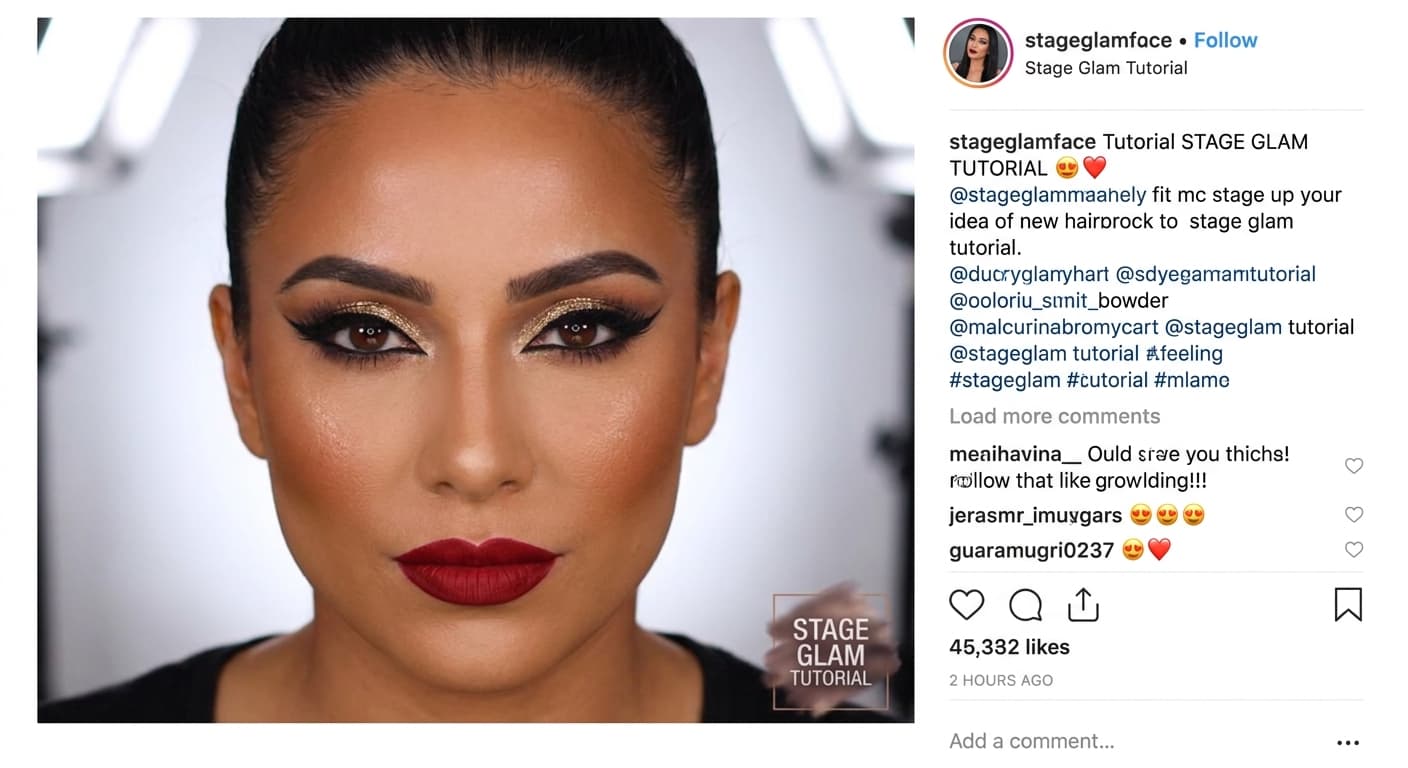
Regal, icy stage queen
Best for: stage performance · gala · Advanced
Try This Look →Formula still matters — just less than the packaging implies
Waterproof formulas use a polymer base that holds up through humidity, tears, and sweat, but that same polymer makes them harder to remove — usually needing an oil-based remover — and more prone to flaking by the end of a long day than a water-based formula. Lengthening formulas tend to use finer fibers and a thinner consistency to coat each lash without clumping, while volumizing formulas are thicker to build noticeable thickness fast — that extra thickness paired with a bristly wand is the most common cause of clumping.
Tubing mascaras are a distinct formula type worth knowing about separately — instead of coating lashes in pigmented wax, they wrap each lash in a flexible polymer tube, which is why they rinse off with just warm water instead of needing remover, and why they tend to hold curl through the day noticeably better than traditional formulas do.
Applying it without clumping or smudging
Most clumping comes from too much product on the wand before the first stroke, not from the formula itself — wiping the wand against the tube opening before applying removes the excess that would otherwise clump. Wiggling the wand at the root before pulling through to the tips coats and separates lashes, rather than just laying a layer of product on top of whatever's already there.
Bottom lashes need less product and a smaller, straighter wand than top lashes do — they're shorter to begin with, and a fully loaded or heavily curved wand is much more likely to smudge product onto the under-eye area while applying.
Matching mascara intensity to the look you're going for
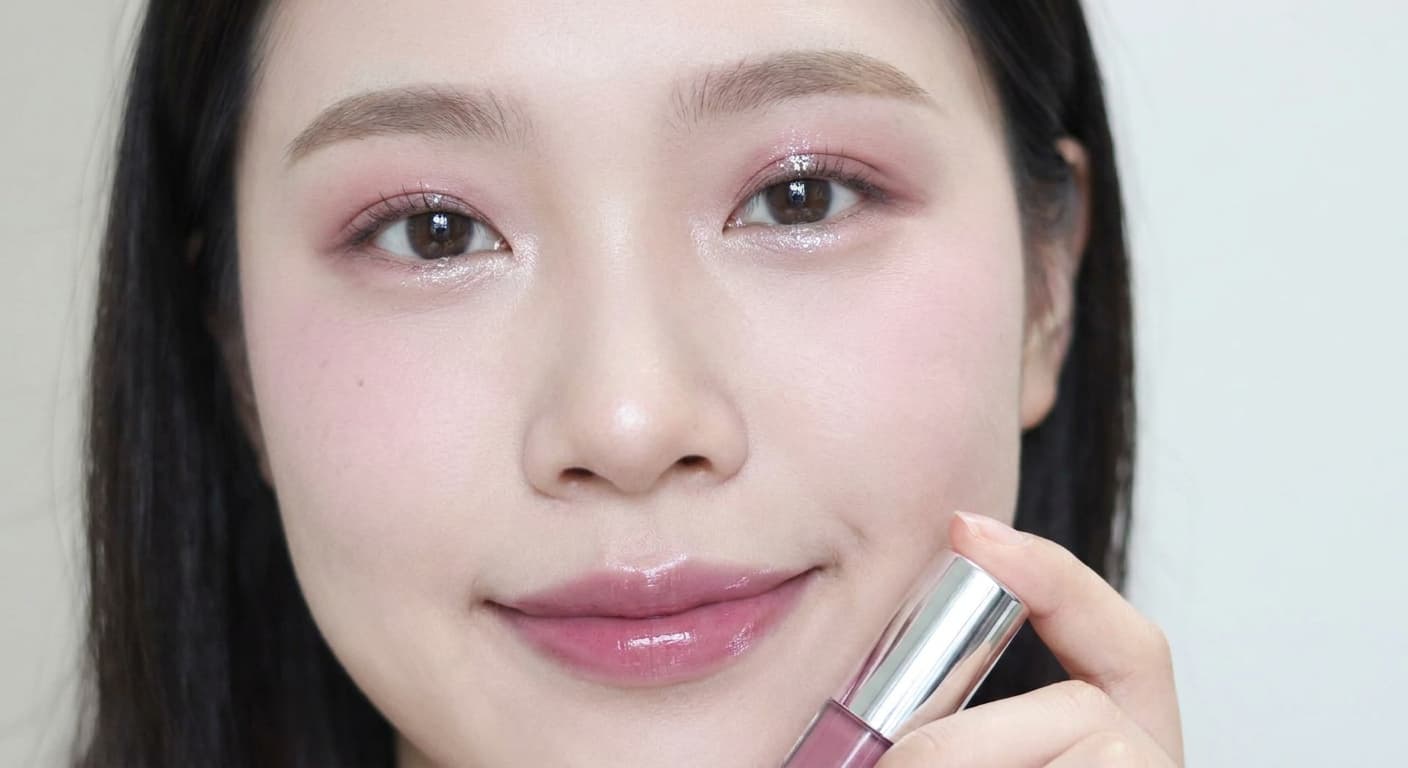
The overall eye makeup a look calls for is a reasonable guide to which mascara formula and wand actually fit it — Golden Opera Red Lip's dramatic, sharply winged cat eye is built for a bolder, more defined lash to match the rest of the intensity, while a soft, low-key look like Dewy Sweet Rose Glow calls for lengthening and separation rather than maximum volume. Try the full eye makeup on your own photo first, then pick a mascara formula that matches the intensity of the result rather than guessing from a tube alone.
Every result comes with a step-by-step tutorial and the product categories used. First three tries are free, no signup required.
Looks mentioned in this article
See it on your own photo — free, no signup required.
Try AI Makeup On Your PhotoFAQ
What mascara wand is best for bottom lashes?
A small, straight, thin wand — bottom lashes are shorter than top lashes and more prone to smudging onto the under-eye area if a full-size or heavily curved wand deposits too much product on them.
Does wand shape matter more than mascara formula?
For a specific effect like length, volume, or curl, often yes — the same formula can look noticeably different from a straight wand versus a curved one, since wand shape controls how and where product actually gets deposited on each lash.
Why does my mascara clump?
Almost always too much product left on the wand before the first stroke, not a bad formula — wiping the wand against the tube opening first, then wiggling at the root and pulling through to the tips, coats lashes far more evenly than pulling a fully loaded wand straight through.