Natural, No-Makeup Makeup: How to Actually Get the Look
"No-makeup makeup" is a real, deliberate technique, not an absence of product — it means sheer, buildable coverage that lets real skin texture show through, groomed rather than sharply drawn brows, and color chosen to look like your own natural flush rather than an applied shade. The most common mistake is using too little product in the wrong places rather than too much, which reads as tired or unfinished instead of naturally polished.
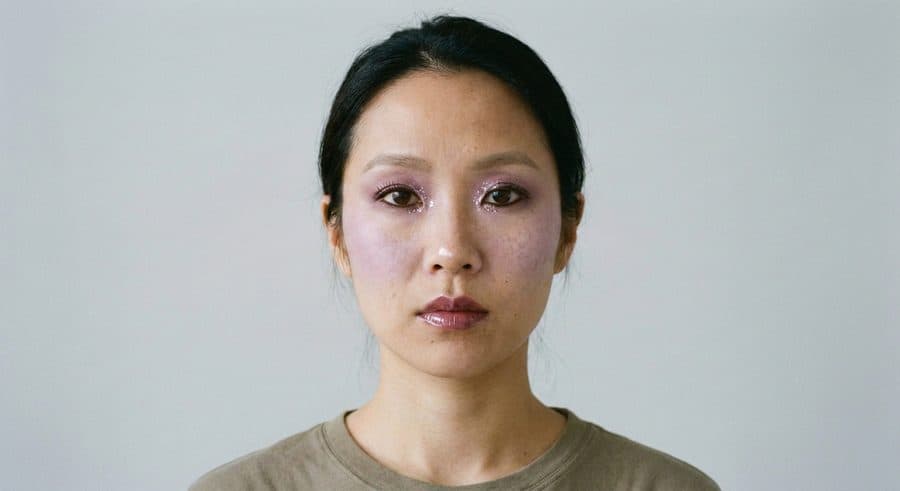
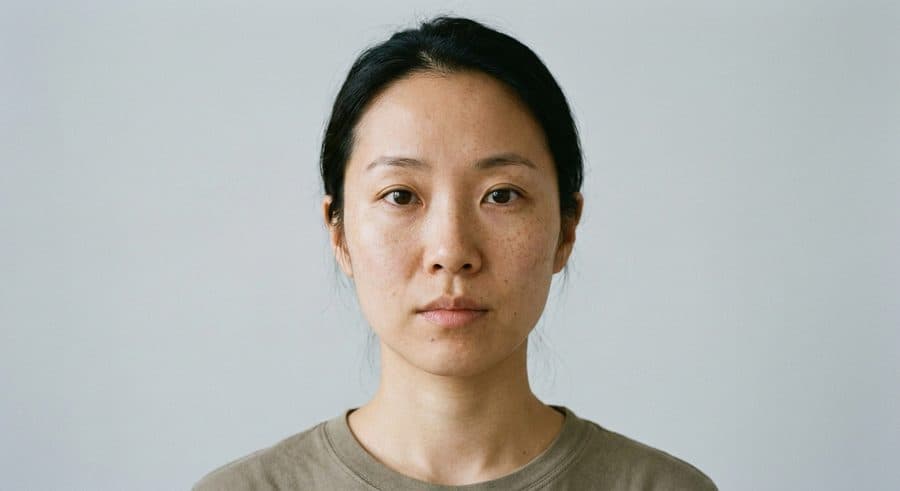
Dewy Sweet Rose Glow natural makeup rendered on a bare face — synthetic test photo, not a real person
What actually goes into a natural look
Coverage should be sheer and buildable rather than full and flat — a tinted moisturizer, skin tint, or foundation applied thin lets natural texture and a couple of freckles show through, which is what reads as "skin" rather than "makeup" even though there's product on it. Concealer stays targeted to genuine problem areas (under-eyes, a blemish) instead of covering the whole face evenly, since even coverage everywhere is one of the fastest ways to make a natural look read as made-up.
Dewy Sweet Rose Glow in the library is built around exactly this approach — soft, low-saturation dusty rose and warm apricot tones, minimal eyeliner, and a finish designed to read as "good skin" rather than "made up."
The mistake that actually breaks the look
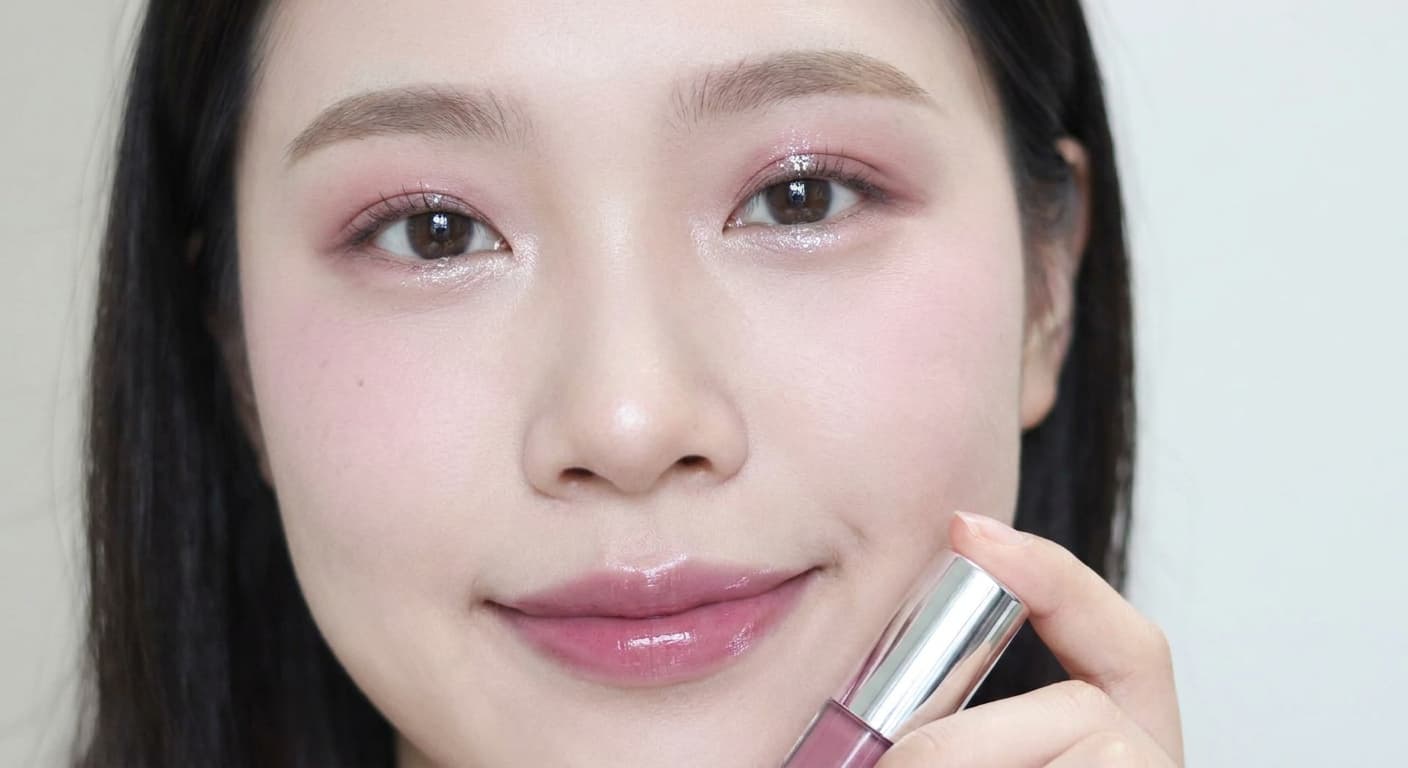
Skipping brow grooming is one of the most common ways a natural look reads as unfinished rather than intentional — brushed-up, lightly filled brows do a disproportionate amount of work in making the rest of a minimal face look deliberate rather than bare. The same applies to lashes: a single coat of mascara or a lash curl alone often finishes a natural look more convincingly than skipping eye makeup entirely.
Color still needs to go somewhere, just applied to mimic a natural flush rather than a deliberate shape — a cream blush blended into the skin with fingers rather than a brush, and a tinted lip balm rather than a precisely lined lip, both read as closer to your own natural coloring than to applied product.
How to check the look stays subtle on your own face
"Natural" is genuinely relative to your own features — the same sheer coverage and soft color that reads as barely-there on one face can read as more done on another, depending on your base skin tone and features. Pick Dewy Sweet Rose Glow or Warm Amber Glow from the library, or upload a reference photo of a specific natural look, and see how subtle it actually reads on your own photo.
Every result comes with a step-by-step tutorial and the product categories used. First three tries are free, no signup required.
Looks mentioned in this article
See it on your own photo — free, no signup required.
Try AI Makeup On Your PhotoFAQ
Is no-makeup makeup actually less product than a normal routine?
Not necessarily less product — it's the same or a similar number of steps, applied more sheerly and blended more thoroughly, so the result reads as skin rather than as visible layers of makeup.
What's the most common mistake with natural makeup?
Skipping brow grooming and full coverage everywhere on the face (rather than targeted concealer) are the two most common issues — both tend to make the look read as unfinished or flat instead of naturally polished.
Can natural makeup still include color, like blush or lipstick?
Yes — the color is chosen to mimic your own natural flush rather than a deliberate applied shade, which is why cream blush blended with fingers and tinted lip balm tend to read more naturally than a precisely drawn lip or a sharply placed powder blush.