What Does Makeup Primer Actually Do? (And Do You Need One?)
Primer's job is to create a smoother, more consistent surface for foundation and other makeup to sit on top of, and to slow down how quickly that makeup breaks down over the course of a day — it's not a decorative step, and it's usually the first thing missing when a full look starts sliding or separating a few hours in. Which formula actually helps depends on the specific skin problem you're solving, not one all-purpose product.
What primer changes, mechanically
Primer fills in fine lines, visible pores, and uneven texture so foundation doesn't sink into them and look patchy or cakey by the end of the day — the smoother the surface underneath, the more evenly a base product sits on top of it. Silicone-based primers do this by filling texture with a smooth film; water-based and hydrating primers work differently, adding a moisture layer under makeup rather than smoothing texture directly.
It also creates a barrier between skin and makeup, which slows down how fast oil from the skin breaks foundation down over the day — in practice that shows up as less midday shine and less makeup sliding off around the nose and forehead, rather than a visible difference in the first hour after application.
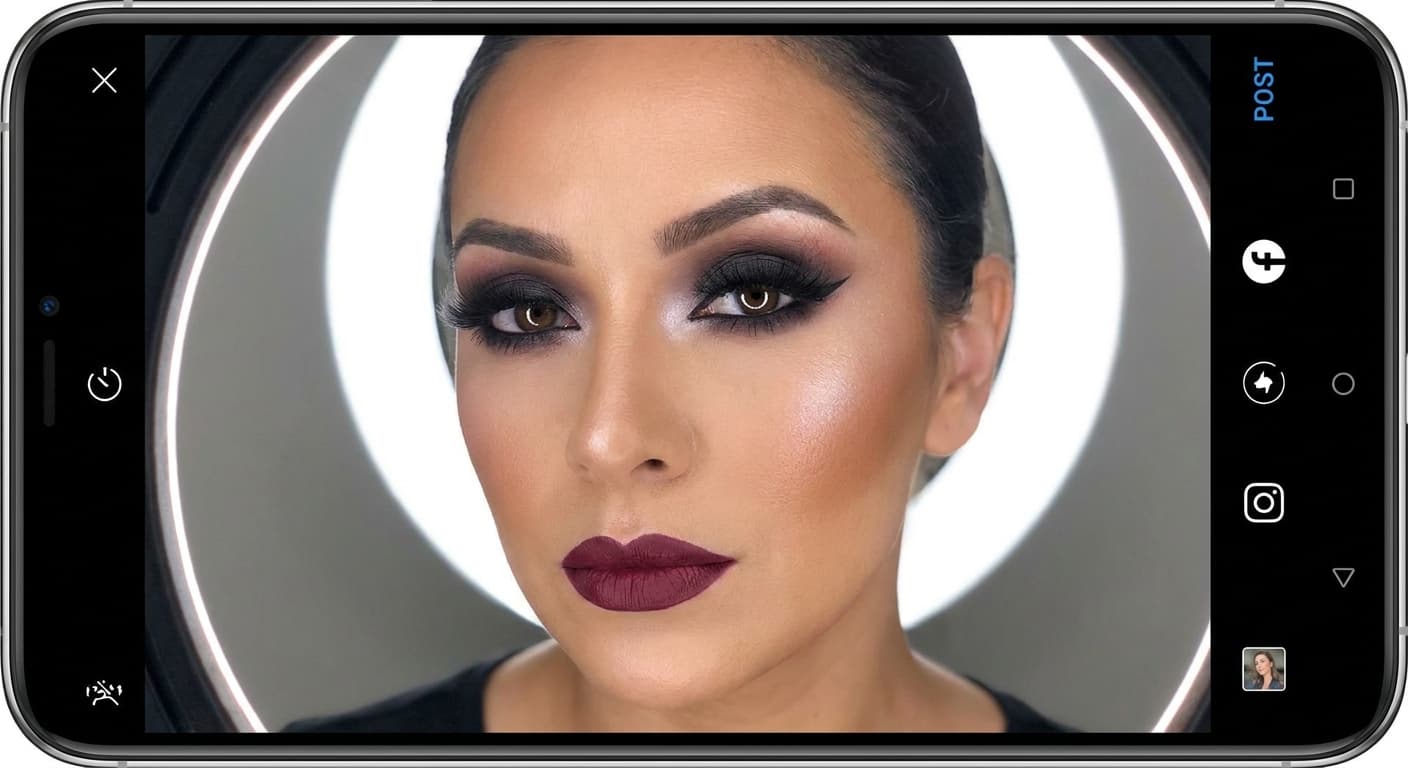
Dramatic and vampy sophistication
Best for: gala · nightclub · Advanced
Try This Look →Picking a formula for your actual skin, not a general primer
Oily or combination skin generally does better with a mattifying or oil-controlling primer, usually silicone-based, since the goal is slowing down the oil that causes midday shine and slip. Dry skin tends to do better with a hydrating, dewy-finish primer instead — a mattifying formula on already-dry skin tends to emphasize flaking and dry patches rather than smoothing them out.
Acne-prone or sensitive skin usually benefits more from a non-comedogenic, fragrance-free formula than from chasing a specific finish, since the wrong ingredients can trigger breakouts regardless of how well the primer holds makeup in place. And moisturizer always goes on first — primer is applied on top of skincare, after it's had a minute to absorb, not the other way around, and not as a substitute for moisturizer.
Where primer fits when you're recreating a look
Primer sits underneath the makeup and doesn't change the visible color or shape of a look, so it isn't something the AI-rendered result shows or something listed in a look's product breakdown the way an eyeshadow or blush shade is — but it's still the step that determines whether a look you liked in the try-on actually holds up for the hours you're wearing it in real life.
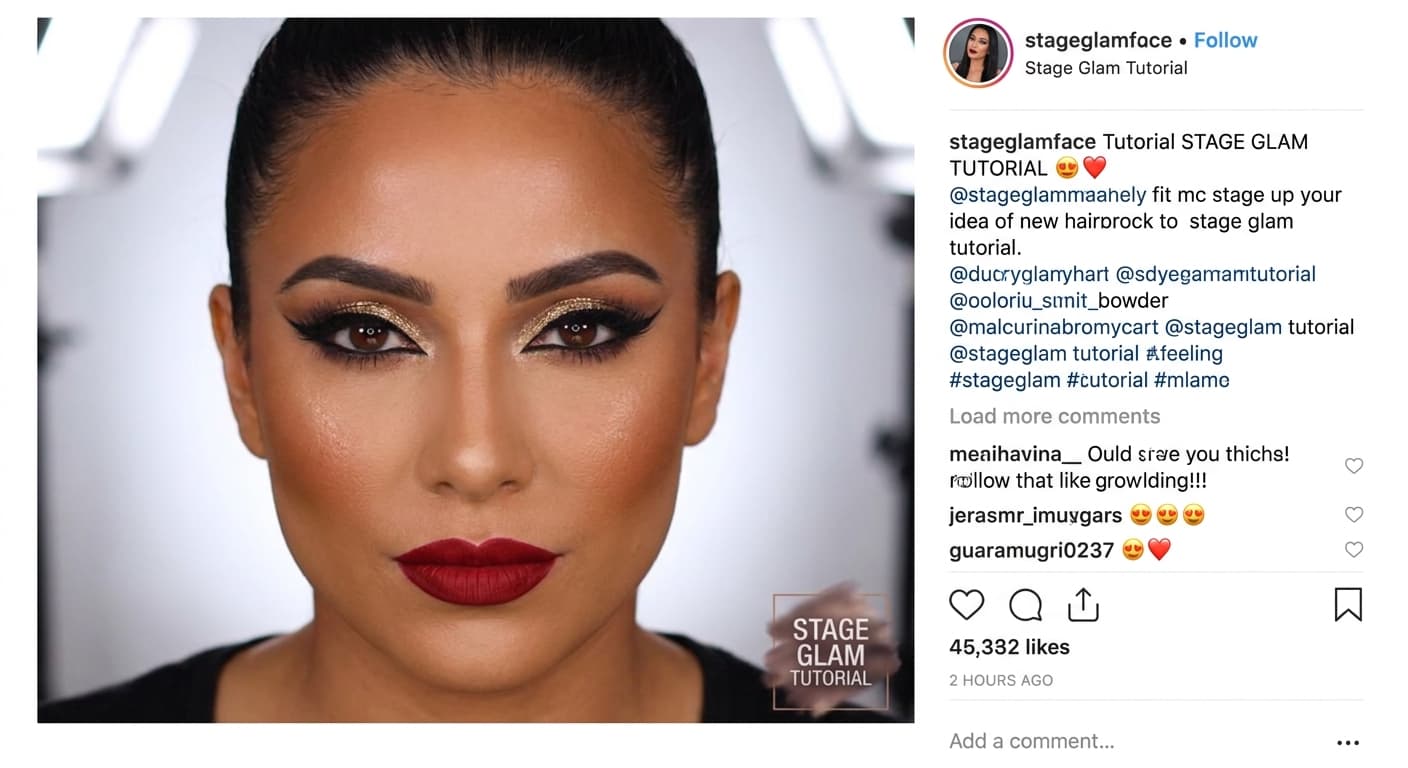
That matters more for anything built to last through a full event — Sultry Gothic Glam's dramatic dark eye or Golden Opera Red Lip's stage-ready contour both have more product sitting on the skin for longer than a soft daily look does, which is exactly where a primer matched to your skin type earns its place. First three tries of any look in the library are free, no signup required.
Looks mentioned in this article
See it on your own photo — free, no signup required.
Try AI Makeup On Your PhotoFAQ
Do I need primer if I already have good skin?
It's optional, not mandatory — primer mainly helps makeup last longer and sit more evenly, so skipping it usually shows up as faster fading or separating over the day rather than a visibly worse initial application, especially on skin with minimal texture or oil.
Does primer go before or after moisturizer?
After. Moisturizer goes on first as part of skincare and needs a minute to absorb, then primer goes on top of it as the last step before foundation — not the other way around, and not as a substitute for moisturizer.
What primer is best for oily skin?
A mattifying or oil-controlling formula, usually silicone-based, since it's built to slow down the oil that breaks foundation down and causes midday shine and slip — a hydrating or dewy-finish primer works against that goal rather than for it.