How to Apply Eyeliner, Step by Step
The single biggest factor in whether eyeliner looks clean is tension and short strokes, not the product — pulling the lid taut and building the line in small segments along the actual lash line, rather than trying to draw one continuous stroke on loose skin. Liquid, gel, and pencil all behave differently, but that core technique is the same across all three, and it's the part most tutorials skip in favor of talking about formula.
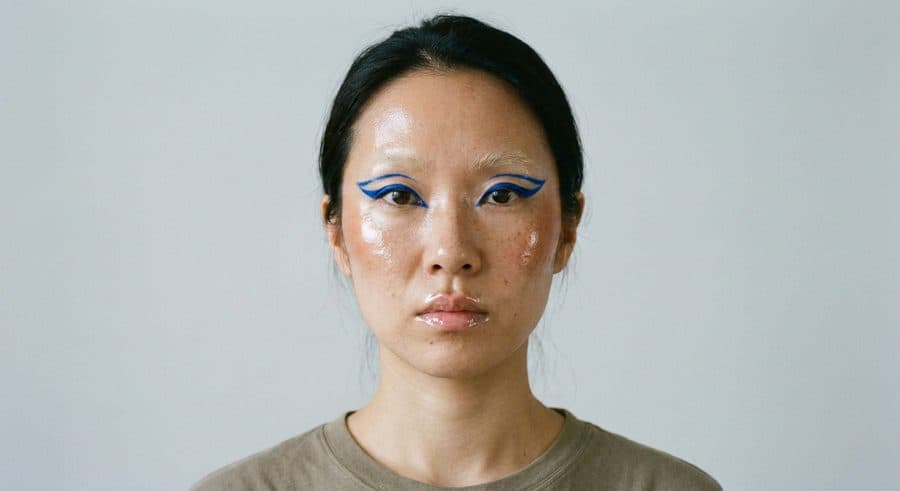
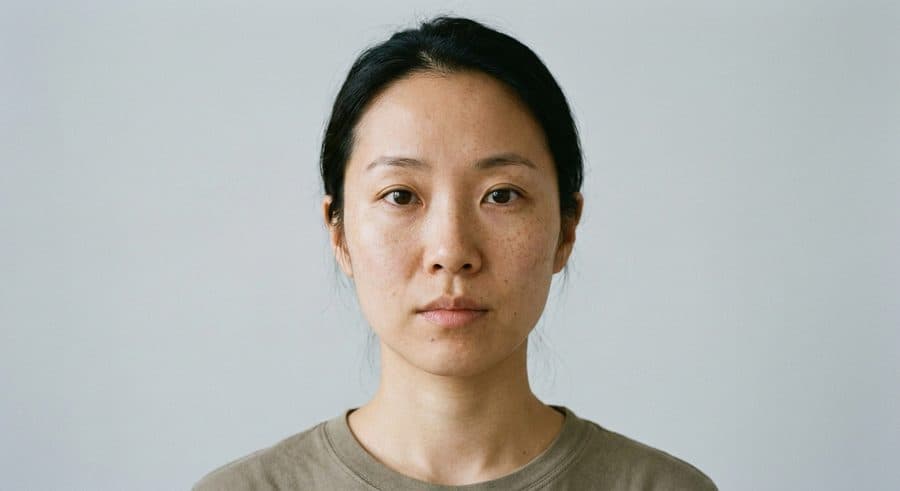
Futuristic Klein Blue Liner rendered on a bare face — synthetic test photo, not a real person
The technique that actually matters
Use your free hand to gently pull the outer corner of your eyelid taut and slightly upward — this removes the fold of loose skin that makes a liquid or gel line skip and go uneven. Draw in short, connected strokes rather than one continuous sweep, starting from the middle of the lid and working out toward the corner, then filling in from the inner corner last. Building the line in segments means you can correct a stroke before it's committed to the whole shape, instead of discovering a wobble halfway across your eye.
Keep the line as close to the lash line as possible with no gaps — gaps between the liner and the lashes are what make a line read as "floating" rather than as a natural extension of the lash line itself. This matters more than wing angle or thickness for whether a liner look reads as clean.
Where the wing actually goes wrong
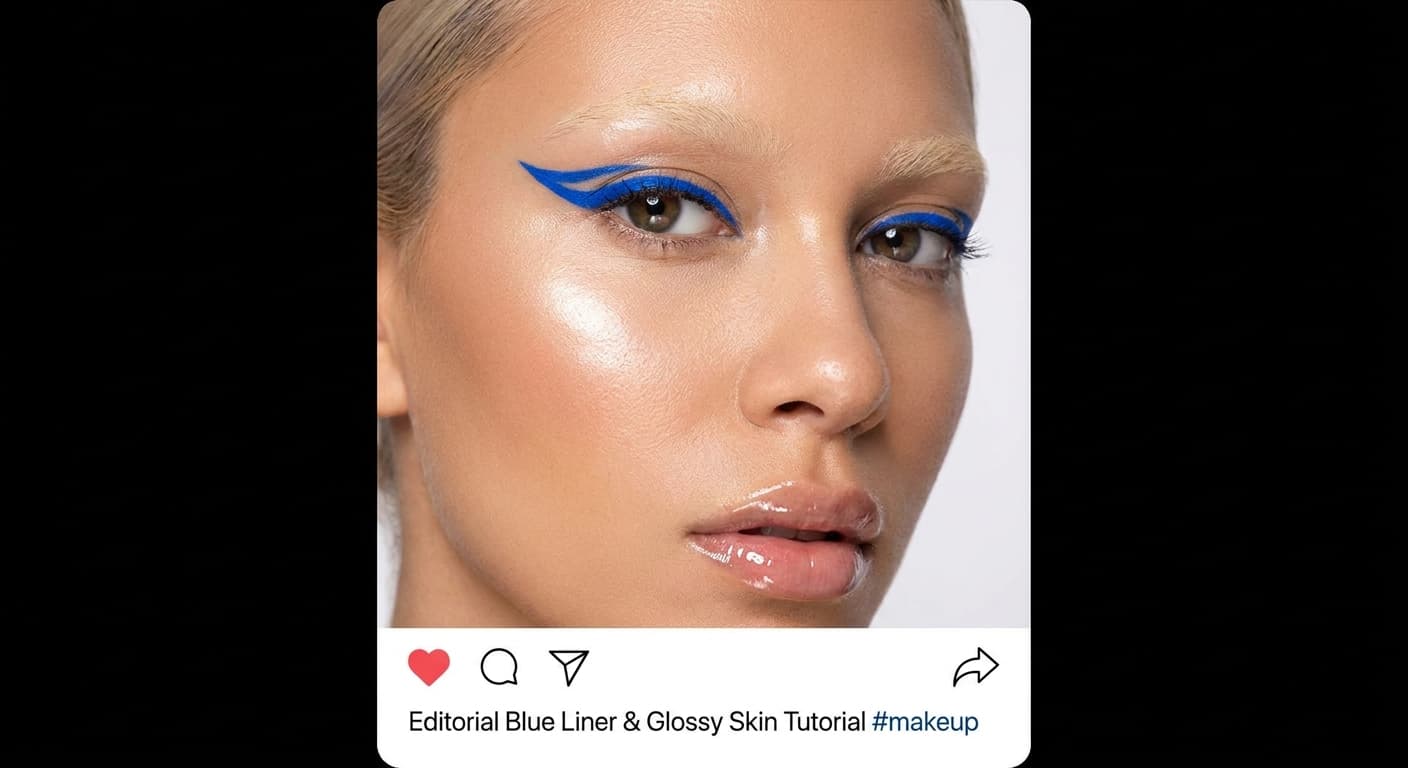
A wing that looks sharp on someone else can look mismatched on you if the angle doesn't follow your own lower lash line outward — as a starting reference, extending the wing along the direction your lower lash line points (rather than a fixed 45-degree angle) tends to look more like an extension of your eye shape and less like a shape stuck on top of it. Futuristic Klein Blue Liner in the library is built around exactly this kind of deliberate, graphic winged shape.
Liquid and gel liner set fast, which is precise but unforgiving of a shaky hand; pencil is slower and smudgier but easier to correct with a cotton swab mid-stroke. Neither is objectively "better" — pencil is generally the easier starting point if you're still building the muscle memory for the tension-and-short-strokes technique above.
How to check a style before you commit to it
Reasoning about whether a particular liner shape or thickness will suit your eye is much harder from a photo of someone else's eye than from seeing it on your own. Pick Futuristic Klein Blue Liner or Dewy Classic Wing from the library, or upload a screenshot of a different liner style you found elsewhere, and the system renders it onto your own photo so you can judge the actual shape on your actual eye before you pick up a liner pencil.
Every result comes with a step-by-step tutorial and the product categories used. First three tries are free, no signup required.
Looks mentioned in this article
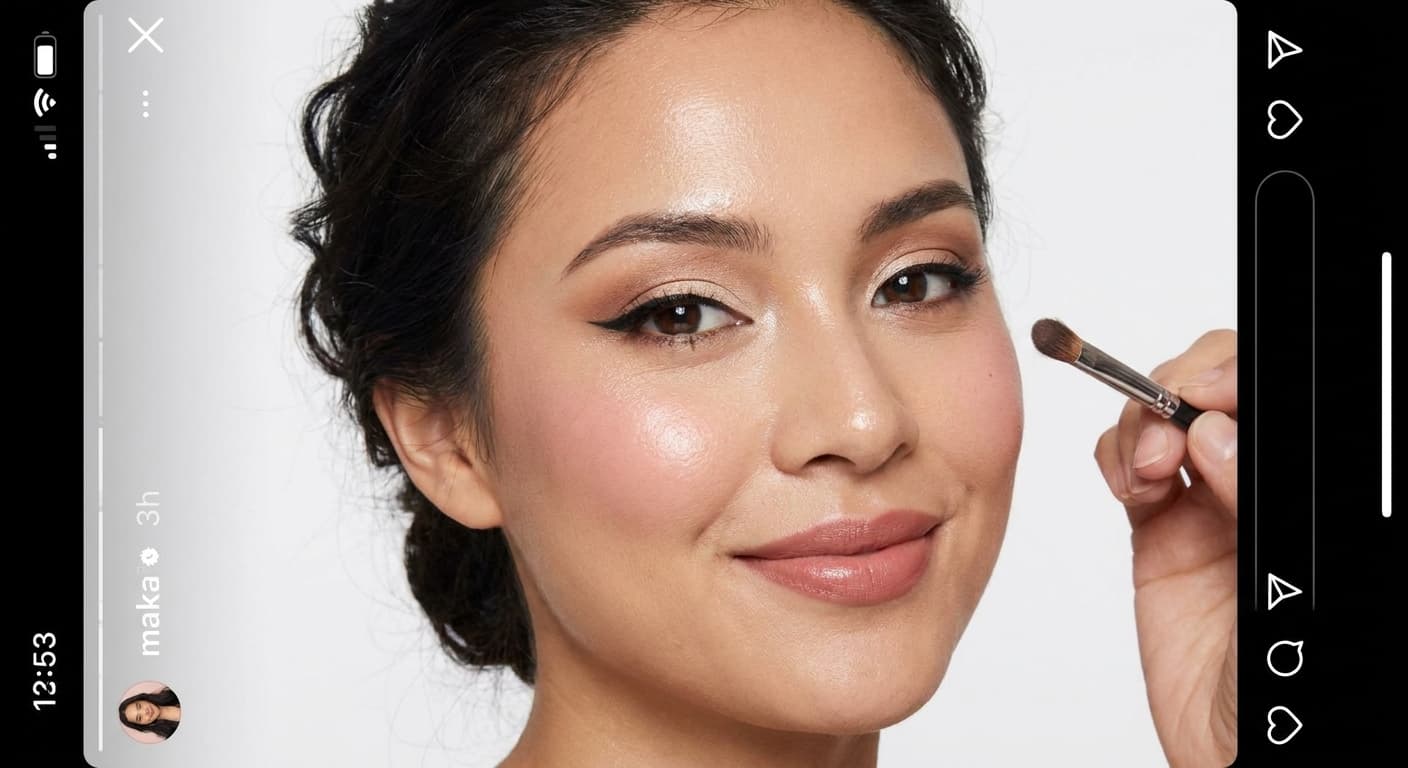
See it on your own photo — free, no signup required.
Try AI Makeup On Your PhotoFAQ
Should I use liquid, gel, or pencil eyeliner as a beginner?
Pencil is generally the easier starting point — it moves slower than liquid or gel, which gives you time to build the tension-and-short-strokes technique, and mistakes can be softened with a cotton swab before they set.
How do I fix a shaky or uneven eyeliner line?
Draw in short, connected segments rather than one continuous stroke, and pull the outer corner of your lid taut with your free hand first — most unevenness comes from drawing on loose, moving skin rather than from a lack of a steady hand.
Does the right eyeliner wing angle depend on eye shape?
Yes — a wing that follows the direction your own lower lash line points tends to read as an extension of your eye shape, while a fixed angle copied from someone else's eye can look like a shape stuck on top of it rather than part of it.